
Lauderdale County Wanted List
The Lauderdale County Sheriff's Office Most Wanted page is where fugitive postings live. It stands apart from the jail roster. One page covers people deputies are still hunting; the other covers people already booked into county custody. Each LCSO entry carries a photograph on the agency's own site, and those images stay there rather than being copied here.
Visitors can sort the list by name, date, or arrested status. The first page shows around ten entries. Size and timing are not guaranteed, though. The Sheriff's Office promises no daily or weekly update schedule, and an entry can vanish the moment an arrest happens or a case closes. Always verify current status with the agency directly.
Safety first: never approach, follow, or confront anyone on a wanted listing. Call 911 if danger is immediate. Otherwise, pass tips through the official channel.
How LCSO Posts Wanted Names
A wanted posting means law enforcement is looking for someone. The reason may be a warrant, an indictment, or another agency matter. It is not a full warrant catalog for Lauderdale County. Entries may sort by posting date or by an arrested marker. That says nothing about every unserved warrant still sitting out there.
The LCSO page points readers toward physical descriptions for a reason. Names get shared and spelled differently. A capture after a wanted notice may produce a booking record on the jail roster. That roster shows custody, not case outcome.
Lauderdale County Wanted Listing Fields
The official page's details help separate one entry from a stranger with a similar name. Field layout can shift with the Sheriff's web display, so the table reflects what the public listing actually documents instead of promising a fixed profile format.
| Listing field | How to read it |
|---|---|
| Name | Identifies the listed person, but a name alone is not a positive identification. |
| Primary photo | Appears on the Sheriff’s page and should be viewed there, alongside the physical-description direction. |
| Date control | Lets the public sort the selected entries by posting-related date information. |
| Arrested status | Helps sort entries, but does not replace confirmation from LCSO or the court. |
| Physical description reference | Provides context for identification instead of asking the public to rely on a name or image alone. |
A match on the wanted page settles very little on its own. The Sheriff's records, the warrants function, and the court each play different roles. Use the listing as a tip resource, then leave verification and enforcement to those offices.
Use Lauderdale County Most Wanted Safely
Think of the official page as a recognition tool and nothing more. It should never turn a viewer into an investigator. Check the current listing before acting on anything old. Share only the details the agency asks for, and hand them to a trained dispatcher or tip service.
- Open the LCSO Most Wanted page and use the Name, Date, or Arrested controls to locate the current entry.
- Read the full public listing and the physical-description reference. Do not assume a similar name identifies the right person.
- If information is non-emergency, contact East Mississippi Crime Stoppers or use LCSO’s official crime-tip form.
- If there is an immediate emergency or danger, call 911 instead of using a web form.
- After LCSO reports an arrest, use the county’s official roster and booking-record routes to see whether a current or released custody record is available.
That kind of check serves a different purpose than the wanted page. The jail roster shows booking events and current custody, while court records hold the case outcome. A booking can lead to release, transfer, a changed charge, dismissal, plea, or sentence down the line.
Lauderdale County Crime-Tip Contacts
Crime Stoppers is the local channel for information on a wanted person or a crime. It takes reports only. It does not confirm warrants or hand out booking photographs. The LCSO form accepts non-emergency tips and states plainly that no one monitors it around the clock.
East Mississippi Crime Stoppers
Hotline: 855-485-8477
Online: LCSO crime-tip form
Emergency: 911
Important: The online form is not monitored 24/7.
The official form lets a tipster attach files up to 20 MB total, and an email address is optional. A regional Crime Stoppers wanted-suspects service lists requesting agencies, wanted-as-of dates, warrant details, descriptions, and photo availability. WTOK Crimenet reports that callers can stay anonymous and may earn a reward if information leads to an arrest. Those rewards depend on program terms, not a promise for every tip.
LCSO also runs an alerts signup, an official Facebook account, and VINE notification access. These channels carry selected notices and custody alerts. None of them is a full wanted list, warrant database, or booking-photo archive, so the wanted page and tip line remain the right channels for those jobs.
Note: Give dispatchers or tip staff only the facts you saw, including time and place, and never report guesses as confirmed identity or criminal conduct.
Lauderdale County Warrant Checks
No general online warrant search exists for Lauderdale County. The LCSO FAQ bars warrant checks by phone and suggests asking a law-enforcement officer instead. For a direct line, the Sheriff's directory lists Lt. Kevin Richardson over Warrants, Civil Process, and Courthouse Security at 601-482-4037. That number reaches the warrants desk, though it does not lift the FAQ's phone-confirmation limit.
When the question concerns your own name, start with the court or a lawyer. The Lauderdale County MEC court-information page opens the door to participating Circuit and County matters. A docket there can show a filed case, a bench warrant, or a later outcome. Still, a docket alone cannot confirm that every warrant has been entered, served, or recalled. Shown below, MEC court information for Lauderdale County helps separate an actual court case from the Sheriff's curated wanted list.
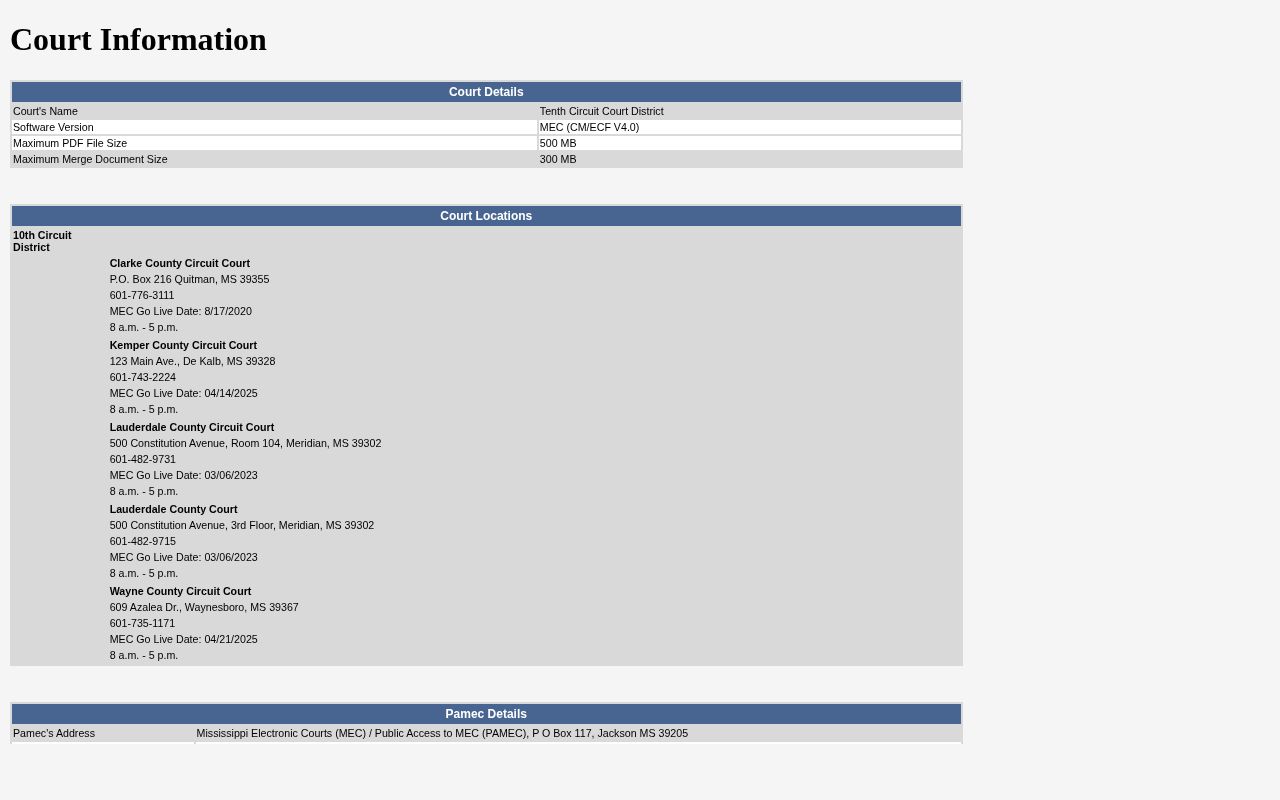
Think of a docket search as a follow-up tool. It works best once a case number is known. The court division helps too. It cannot replace the warrants office. Nor can it replace an in-person check by an officer.
- Do not try to obtain warrant confirmation by telephone, because the LCSO FAQ says that information is unavailable by phone.
- For a personal legal matter, contact a lawyer, the relevant court clerk, or ask a law-enforcement officer in person as LCSO directs.
- Search the participating MEC/PAMEC court record when a case is already filed, using the legal name and case details as cross-checks.
- Use the published warrants-function contact for routing and obtain current confirmation from the responsible authority.
- Address an active matter through the court or counsel. Do not attempt to avoid service, contact the listed person, or arrange a private resolution.
Keep the systems straight. The most wanted list is a public notice. The Sheriff chooses what to highlight there. The warrants desk holds agency-side operational records, and the court file tracks what happened after filing. A name missing from any one source proves little on its own. Only the responsible authority can confirm whether a warrant exists or a case stands.
Lauderdale County Warrant Types
Warrant labels cover several different actions. Some stem from an agency request behind a public wanted entry. Others mark a missed court appearance or a separate judicial step recorded on a docket. The shorthand tells you the type, not the current status. For that, the official record controls.
| Type | Plain meaning and correct follow-up |
|---|---|
| Arrest warrant | A judge may issue one after reviewing a statement of facts. LCSO says it verifies the warrant is on file before attempting to locate the person. |
| Bench warrant | A court-related warrant that can appear in a filed matter. Check the court docket and clerk for the case context. |
| Wanted-list entry | A selected LCSO public identification notice, not a complete public index of every active warrant. |
| Indictment-related matter | A serious case may proceed through Circuit Court, where the court file and counsel are the appropriate routes for the case status. |
An attorney can walk you through the court process. That person can also arrange a lawful response. The court clerk can pinpoint the right file. Treat neither the roster nor a news story as the final answer on a warrant.
After a Lauderdale County Search
Someone missing from the wanted page may be released. They may be transferred. Or they may sit in state or federal custody. Mississippi Department of Corrections records cover sentenced state custody and supervision only. They skip many Lauderdale County bookings. The county court file remains the place to track a charge and its outcome. For federal sentences, the Federal Bureau of Prisons inmate locator handles custody records. It offers no public booking-photo field. It also does not replace local booking details or a court result.
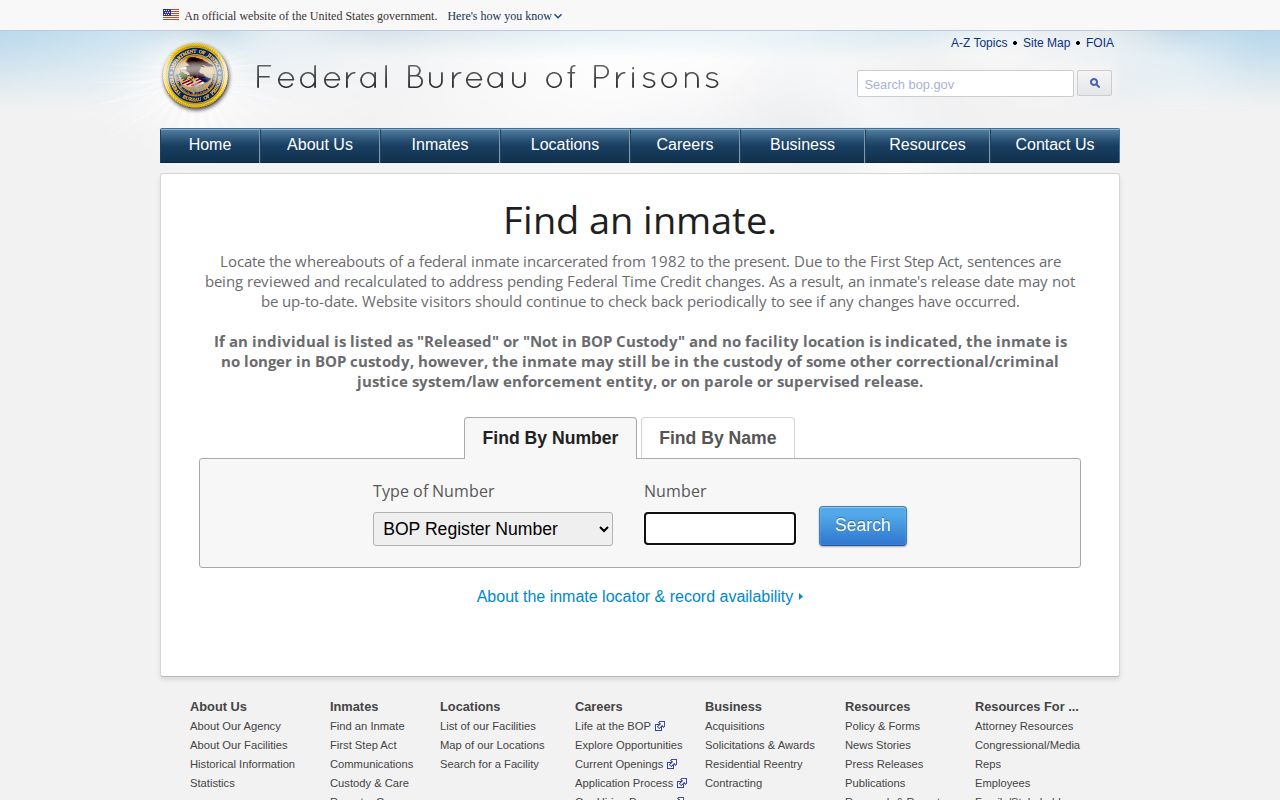
Federal custody runs on a separate track. It sits apart from the county jail. The ICE official detainee locator is its own immigration-custody tool. It shows no mugshots and no county warrant data. Searching requires either an exact nine-digit A-number plus country of birth, or exact first and last names, country of birth, and date of birth. Anyone under 18 is off-limits. Whatever a search returns, the correct court record decides the story.
Take what you find as a starting point. A wanted listing can change fast. So can a booking entry. Details may be updated, cleared, or expanded as a case moves along.